


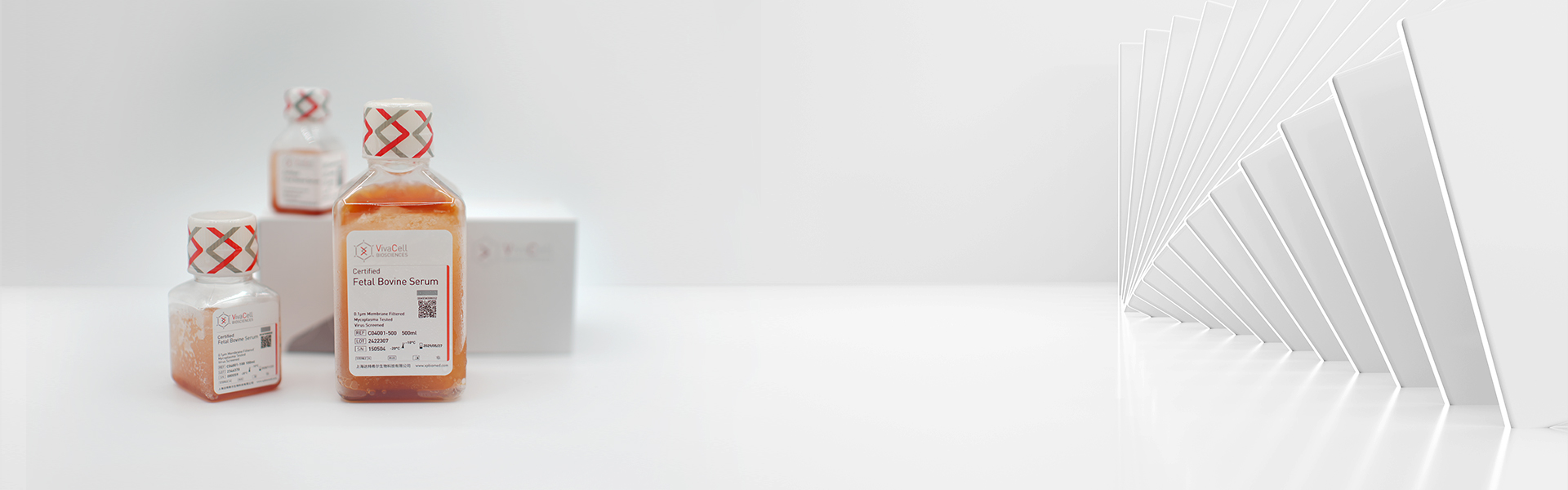
Using healthy horse blood as the raw material, serum is aseptically collected in a closed system and filtered through microporous membranes. It is a light-yellow, clear liquid, free of bacteria, fungi, mycoplasma, and other contaminants. Horse serum has a higher protein content and lower trace metal concentration than fetal bovine serum. In certain applications, it can serve as a substitute for fetal bovine serum and is an important component of culture media used by hospitals, research institutions, animal vaccine manufacturers, and biopharmaceutical companies.
Serum heat inactivation is achieved by raising the serum temperature to 56 °C and maintaining this temperature for 30 minutes. Heat inactivation destroys complement activity, thereby preventing complement-mediated lysis during cell–antibody binding assays.
Horse serum has been used as a supplement in minimum essential medium (MEM) for cerebrocortical neuronal–glial cell cultures and in RPMI-1640 medium for PC12 cells derived from rat adrenal medulla pheochromocytoma. It has also been used in immunohistochemistry of Florida manatee brain sections.
Normal horse serum may be used as a blocking agent and as a control in immunoassays. For immunohistochemistry and immunocytochemistry, 10% horse serum was used as a blocking agent in various studies.
Horse serum was used in immunostaining to block non-specific antibody binding.
Manufactured under ISO 13485 QMS and in compliance with applicable cGMP guidelines.

Online Message

